Start with what’s already there
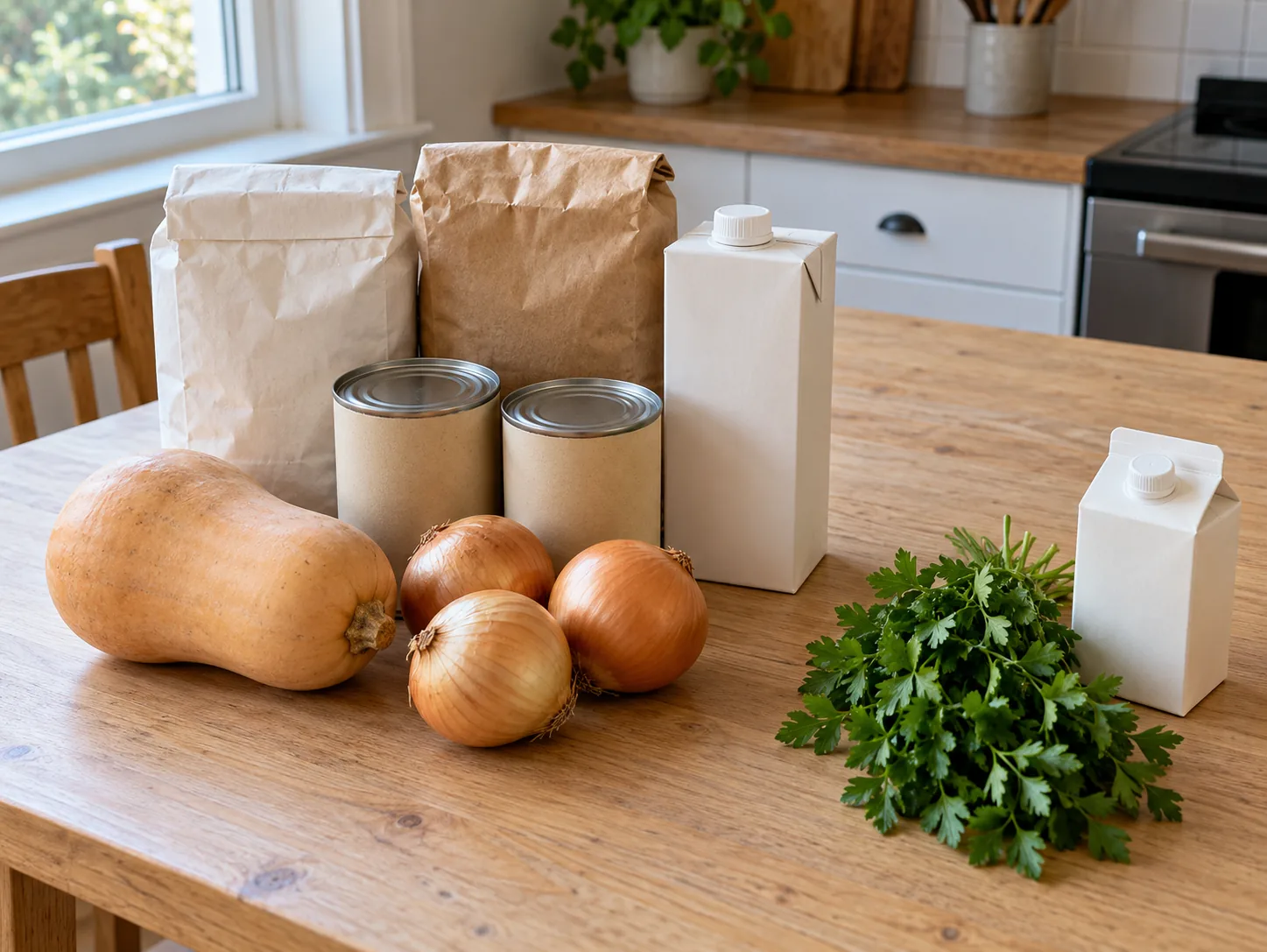
Before choosing recipes, take a look at your potatoes, canned goods, fridge and freezer. Write down a few things you want to use. This is your starting list, even if the ingredients don’t look like a complete dinner yet.
For example, potatoes, a can of white beans and some frozen green beans give you most of the ingredients for a bowl. Add yogurt and lemon for a quick sauce. You can build the other dinners around the remaining potatoes and vegetables.
Give the same ingredient a different job
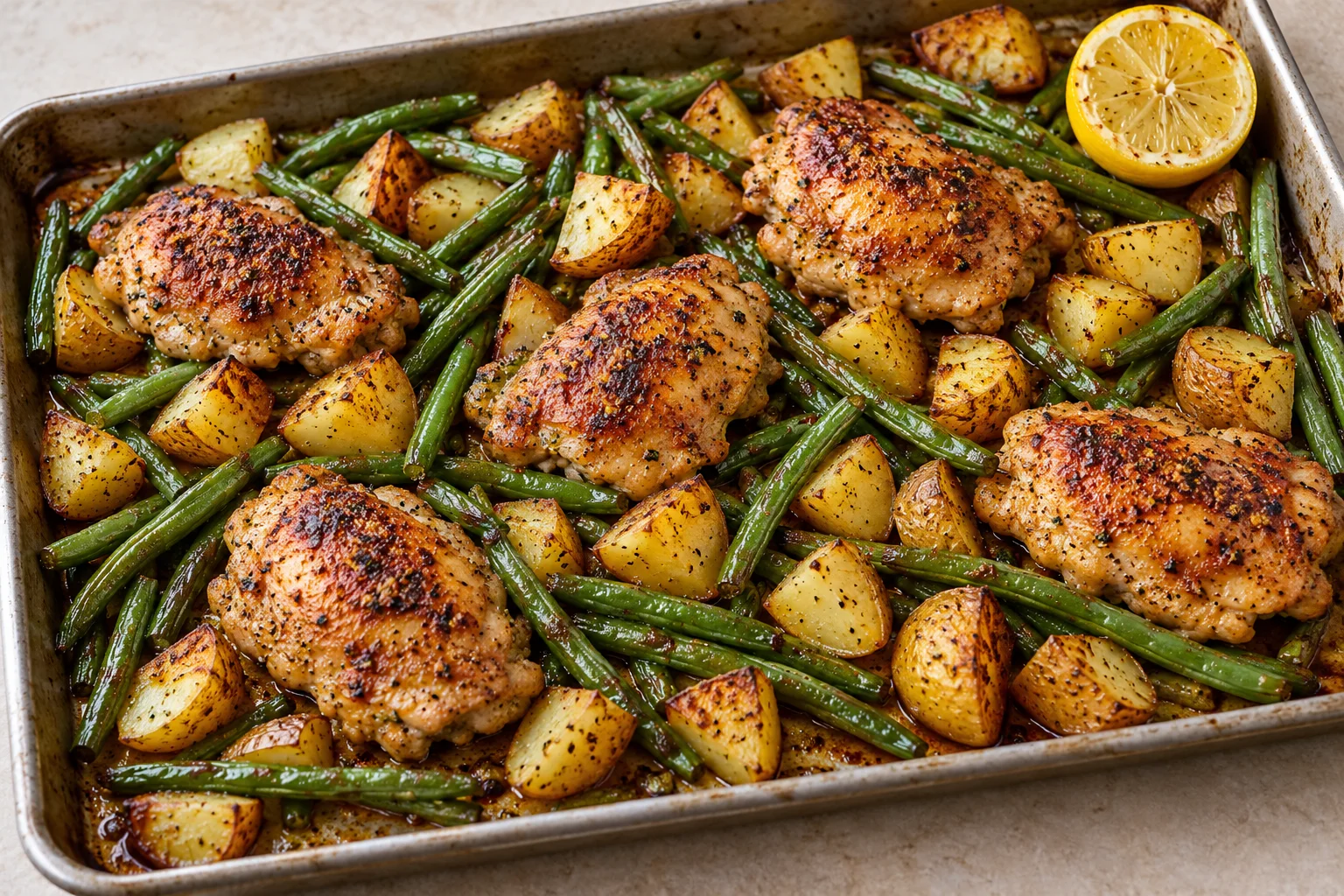
An ingredient can appear in several dinners without making every meal feel the same. In our three-dinner plan, potatoes roast beside lemony chicken, simmer in a tomato skillet, and become the base of a bean bowl.
The useful overlap is in the shopping, not in serving the same finished dish three times. A different sauce, cooking method or topping gives familiar groceries another direction.
Add quantities before you shop
Make one combined list. If each of three recipes uses one pound of potatoes, the list needs three pounds. If two recipes each use half a pound of green beans, buy one pound in total. Keep pantry ingredients on a separate line so they’re easy to check.
Cross off what you have, including oil and seasonings. Then compare the list with the sizes sold in your store. If a pack gives you more than you need, decide how you’ll use the extra before putting it in the cart.
Leave room for the week you actually have
Pick the quickest dinner for the evening with the least time. You don’t have to follow the printed order, and you don’t have to make all three. If you skip one, remove its quantities from the combined list before shopping.
Keep the plan somewhere easy to reach. A printed copy on the fridge can be more useful than a beautifully organized folder you forget to open. The goal is simply to make the next dinner easier to begin.
Turn three recipe lists into one useful total
Keep the recipe amounts and the shopping amounts separate. The recipe tells you what goes into the pan; the shopping list tells you what still needs to come home. A bag size is not an instruction to use the whole bag.
For a concrete example, the lemony chicken dinner and the potato-and-bean bowls each call for one pound of potatoes and half a pound of green beans. Cooking both recipes once gives the totals below. This is a partial list for those two dishes, not the complete three-dinner shopping list.
| Ingredient | Chicken dinner | Bean bowls | Combined requirement |
|---|---|---|---|
| Potatoes | 1 lb | 1 lb | 2 lb |
| Green beans | 1/2 lb | 1/2 lb | 1 lb |
| Lemon | 1/2 lemon | 1 lemon | 1 1/2 lemons; buy 2 if you have none |
Now check what you already have. If the freezer holds half a pound of green beans, only half a pound remains to buy. If the smallest available bag is a pound, write a separate note for the extra half-pound rather than quietly increasing both recipes. The lemon in the bean bowls is added to taste, so the shopping allowance does not mean every drop must go into the sauce.
Add the chicken, canned beans, yogurt and pantry seasonings from the full recipes. Then add your third dinner and total again. The free starter-plan shopping list is the better place to check the complete quantities; this table shows how the arithmetic works.
Choose overlap that does not create extra work
Look for one or two useful overlaps, not a rule that every ingredient must appear everywhere. Potatoes and green beans are enough to connect the two dinners above. Buying another ingredient solely to make a clever leftover plan can cost more than keeping the plan simple.
Give fragile ingredients a specific job. An opened yogurt pot can supply the bowl sauce, but it does not need to become the basis of every dinner. Check its storage instructions and use-by guidance, then plan another suitable use only when you actually need one. Pantry staples and unopened frozen vegetables give you more flexibility when an evening changes.
Keep dietary swaps visible beside the original ingredient. Replacing chicken with beans changes more than the label on the meal: the amounts and cooking method need a recipe written for that version. Use the vegetarian starter rather than assuming one tin can be dropped into any chicken method.
Make a small plan for a disrupted evening
Before shopping, identify the dinner you would postpone if work runs late. That choice should follow the ingredients you bought and their safe storage window, not merely the order printed on the page. Raw chicken needs a different plan from an unopened can of beans.
The USDA advises using refrigerated raw chicken within one or two days, or freezing it. When a chicken dinner moves beyond that window, freeze the chicken promptly rather than leaving it in the fridge for the end of the week. Thaw safely when the new cooking day is settled; do not thaw it on the counter. USDA chicken storage guidance explains the storage and thawing options.
After cooking, note what actually happened: how many people ate, whether the pan was crowded, and which ingredients remained. Keep one adjustment for the next plan, such as buying a smaller yogurt pot or cooking the bean bowls on the busiest night. Those observations are more useful than starting a new planning system every week.
Put your plan on a kitchen sheet
Use our two-page kitchen sheet to put your dinners, shopping notes and preparation in one place. The worked example follows our mixed-diet three-dinner starter plan; the blank sheet works with any dinners you choose.