This article contains affiliate links. Fondfolk may earn a commission if you buy through them. As an Amazon Associate I earn from qualifying purchases.
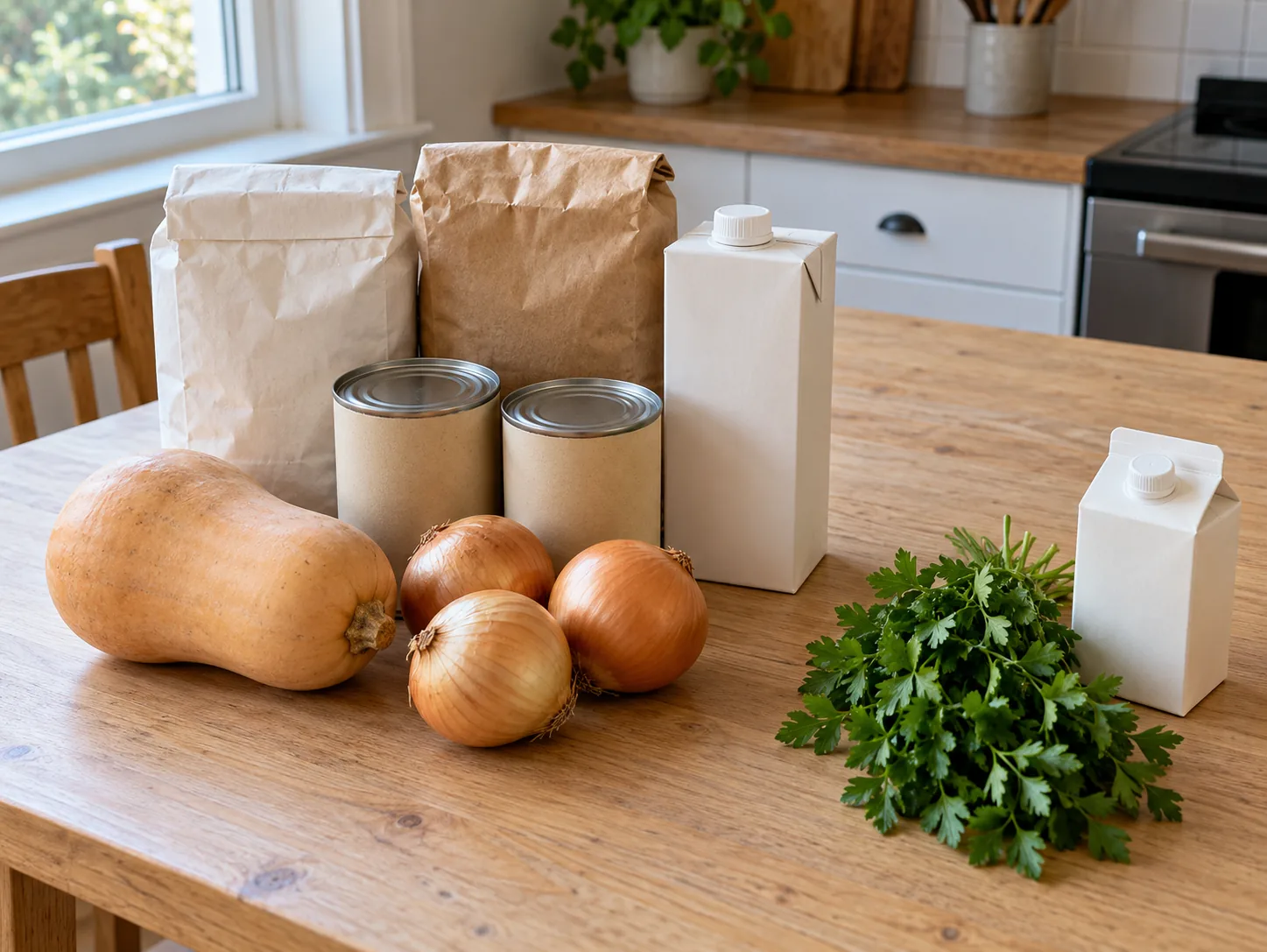
Put the flour, canned pumpkin and unopened shelf-stable broth on the early shopping list. Save the fresh turkey, delicate greens and finishing herbs for a later trip. The aim is to bring ingredients home when you have somewhere suitable to keep them, with enough time left to prepare the meal.
A frozen turkey can be an early purchase if it fits your freezer. A fresh one has a much shorter refrigerator window. A bag of potatoes may wait comfortably in a cool, dark cupboard, while a bag of salad leaves needs refrigerator space and a place near the end of the shopping plan. Sorting those differences now makes the final basket considerably smaller.
Give each ingredient a shopping window
Start with the recipes you intend to cook, then combine their ingredient lists. Add the butter needed for the rolls to the butter needed for the potatoes before deciding how many packs to buy. Include food for ordinary meals that week; holiday ingredients should not leave you without lunch on Tuesday.
Use this as a starting plan, then adjust for the condition of the food, its storage instructions and your available space.
| Shopping window | Ingredients that may fit | Condition to settle first |
|---|---|---|
| Two to three weeks ahead | Flour, sugar, canned pumpkin, unopened shelf-stable broth, dried fruit and spices | Read storage directions and buy the quantities the recipes actually need. |
| Early, once freezer space is ready | Frozen turkey and frozen vegetables | Keep frozen; the turkey also needs a separate thawing window. |
| Around a week ahead | Sound whole potatoes, onions and winter squash | Use appropriate cool, dry storage; the kitchen must have a suitable spot. |
| During the week, according to labels and planned use | Milk, cream, butter and eggs | Reserve refrigerator space and account for when packages will be opened. |
| Near the meal | Tender greens, delicate herbs, berries and bakery items wanted fresh | Select for condition and buy close to the day they will be used. |
| One to two days before cooking | Fresh raw turkey | Refrigerate at 40°F or below; do not give it a week-long holding plan. |
The early windows are shopping suggestions, not a promise that every food keeps for that long under any conditions. A damaged vegetable or a dairy product with unsuitable storage instructions belongs on a different plan.
Make the first trip mostly cupboard and freezer food
Read the actual recipe before choosing a package. Plain canned pumpkin and pumpkin pie filling are different ingredients. Dried cranberries cannot automatically replace fresh berries in a sauce. Broth may need to meet a guest's dietary requirements as well as your quantity list.
Look through what you own before buying duplicates. Open the spice cupboard and inspect the baking supplies while there is time to replace something missing. Set aside the unopened items intended for the holiday, or mark them on the shopping list so they do not disappear into a weeknight dinner unnoticed.
Choose undamaged cans and intact packages. FDA's storage guidance advises checking cans for leakage, swelling and serious damage. Follow the label when an item needs refrigeration after opening; “bought early” does not mean “opened early.”
Buying frozen vegetables early can also shorten the final shopping list, provided the recipe accepts that form. Preserve any directions to thaw, drain or cook them before adding them to a dish. Their freezer availability does not make them interchangeable with fresh vegetables in every recipe.
Decide where the turkey will live before buying it
Measure the freezer space for the wrapped bird, then the refrigerator space for the bird plus a tray or container that will catch leaks during thawing. Keep raw poultry contained and below ready-to-eat food. Our holiday fridge preparation guide covers that shelf plan without turning the grocery trip into a last-minute rearrangement.
Keep the freezer at 0°F or below and the refrigerator at 40°F or below, using appliance thermometers to verify them. Do not treat a cold-looking garage or porch as controlled refrigerator space.
For refrigerator thawing, USDA advises allowing about 24 hours for each 4–5 pounds of turkey. A 16–20-pound bird needs approximately 4–5 days. Once thawed, it can remain refrigerated for another 1–2 days before cooking. Put the thawing start date on the list when you buy the turkey; an early purchase is useful only if the bird leaves the freezer in time.
Fresh turkey needs a different arrangement. FoodSafety.gov's cold-storage chart gives fresh whole poultry 1–2 days in the refrigerator. Reserve it earlier if your retailer takes orders, but arrange pickup close to cooking day. Ask whether the bird will be fresh or frozen at collection so the pickup date matches the storage plan.
Buy sturdy produce for the storage space you have
Whole potatoes, onions and winter squash are reasonable candidates for the earlier produce trip when they are sound and you can store them appropriately. University of Maryland Extension recommends cool, dry, ventilated storage away from light for potatoes and onions, and a cool, dark place for winter squash. A cupboard beside the oven may not provide those conditions.
Choose firm produce without mold, soft patches or damage, and revisit it before the final shop. Keep vegetables whole until the preparation plan calls for cutting them; cut produce needs refrigeration. Do not assume that buying a squash early also means preparing and refrigerating its filling two weeks early.
Save tender greens and delicate berries for closer to use. If parsley is only a garnish, buy an amount you can finish in the next few meals instead of adding a large bunch to an already crowded drawer. Match extra produce to dishes you will cook after the holiday.
Leave a short, specific final list
Write the late list while the early purchases are still in front of you. Include the item, amount, recipe and pickup day. “Cream for potatoes and dessert” is easier to buy correctly when both quantities have already been added together.
Milk and cream deserve a plan based on their labels, opening dates and intended use. Eggs can generally keep longer: the federal cold-storage chart lists 3–5 weeks refrigerated in the shell. That does not require buying them weeks ahead; it simply means eggs need not automatically share the turkey's two-day window. Keep them in their carton inside the refrigerator.
For a particular bread, turkey size or specialty ingredient, contact the local shop about ordering and pickup rather than assuming it will be available. Decide which substitutions the recipe can actually tolerate. A different decorative herb is a smaller change than replacing plain pumpkin with sweetened pie filling.
Bring perishable purchases home promptly and refrigerate or freeze them. The ordinary limit without temperature control is 2 hours total, or 1 hour when the air temperature is above 90°F. If the journey needs a cooler, use enough ice or frozen packs to maintain 40°F or below; a bag alone does not keep food cold. Buy chilled and frozen items toward the end of the trip and keep raw poultry separate from other groceries.
After the last shop, move preparation jobs onto your cooking timeline. The shopping list has finished its job when the ingredients are home, stored correctly and assigned to a meal. The herbs can stay crisp in the fridge while the flour waits quietly in the cupboard.
Separate buying early from preparing early
An ingredient can be bought ahead without being opened, chopped or mixed ahead. Keep those decisions on separate lines. Buying an unopened shelf-stable product today does not mean the dish containing it is suitable for a long refrigerator wait. Once opened or cooked, different storage guidance applies.
Mark an early purchase as bought only after you have checked its intended storage place. If the freezer drawer is already full, a second frozen main has not solved a holiday job; it has created a storage problem. A planned later collection can be the better early decision.
Make the last trip a checking trip
Use the final list to verify the quantities already bought as well as to collect delicate ingredients. Count the eggs and read the cream amount across all recipes instead of relying on the package you remember buying. Include the ordinary breakfast or dinner that will be eaten before the holiday meal.
Leave a short note for substitutions: which ones the recipe permits, and which purchases need to match exactly. Someone else can then help with the shopping without deciding whether pumpkin pie mix will work in the loaf or whether a salted turkey fits an unbrined recipe. A clear final list protects both the meal and the earlier work.