One idea for your table
Choose the recipe above that suits your preference. Individual recipes remain free. Complete weekly menus and their planning support now belong to Dinner Club. Our free three-dinner starter is still available if you would like a small plan to begin with.
Choose the dinner by the work it needs
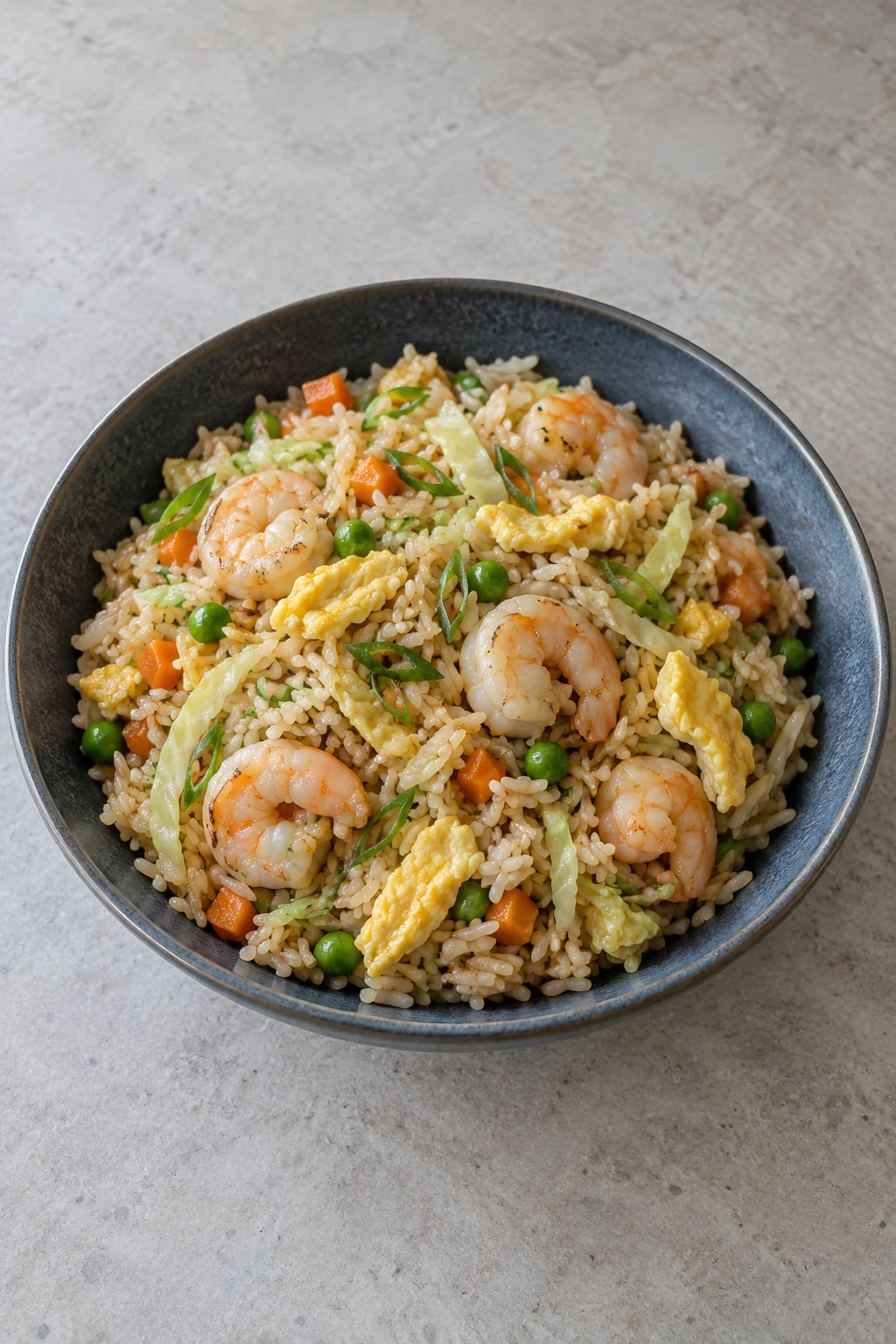
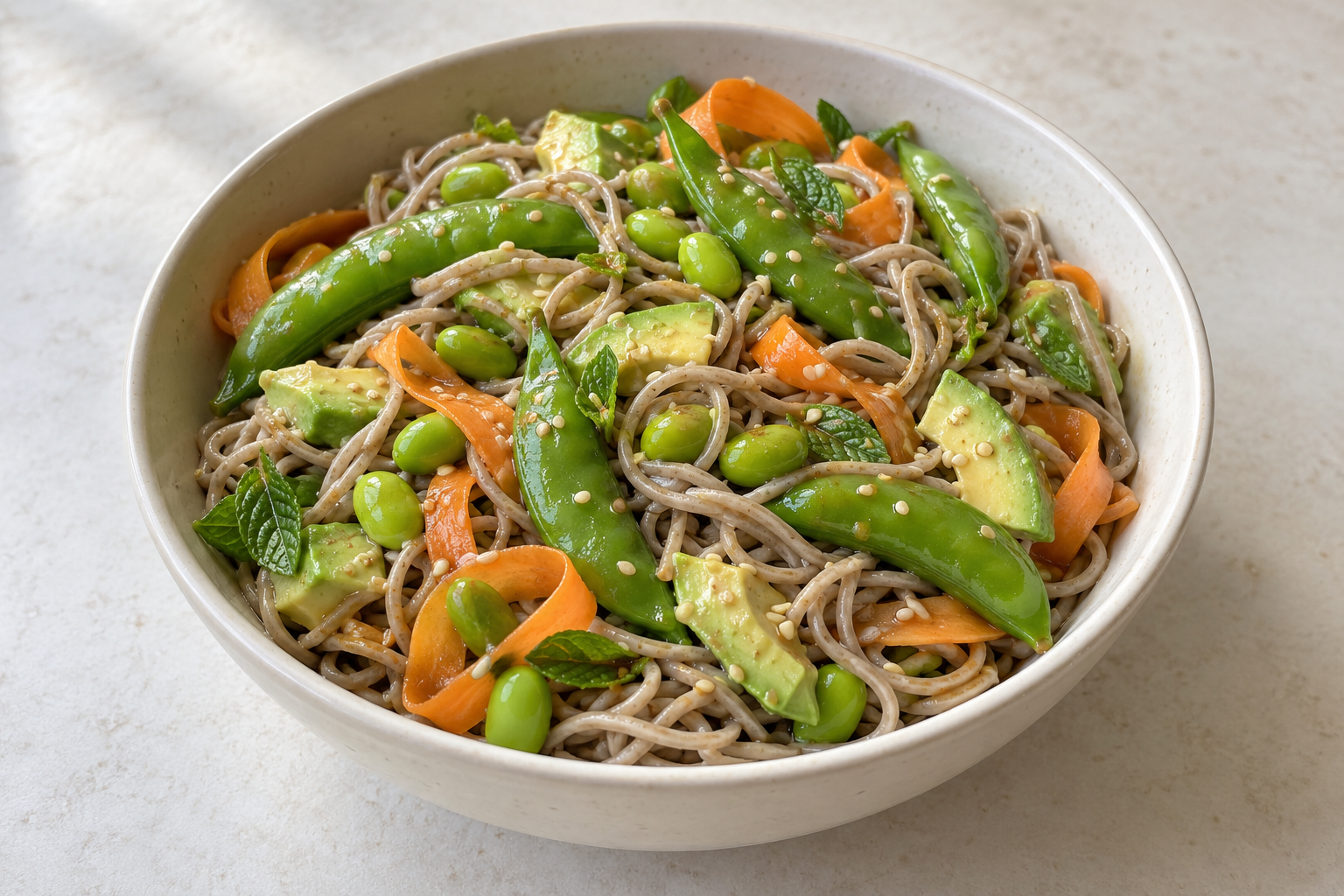
The two choices below offer different ways to get a meal started. Shrimp fried rice asks for rice that has already been cooked and handled safely, while sesame soba starts with noodles cooked for the bowl. Read that starting point before choosing the dish. A quick final stir-fry does not include the separate job of cooking and chilling rice from scratch.
For a low-pressure Sunday, choose the recipe whose preparation fits the ingredients you actually have. If there is no safely stored cooked rice ready, the noodle route may be the more direct choice tonight. If the rice is already available and the shrimp can be prepared as the recipe requires, the fried-rice route makes use of that preparation. Neither choice needs a complete weekly menu to be useful.
Set up the pan before the final cooking
For fried rice, finish the chopping and measure the sauce before heating the pan. Keep the raw shrimp and its utensils separate from ingredients that will be served ready to eat. Rice should be ready in the condition the recipe specifies, not waiting in a warm pot while the vegetables are being prepared. The final cooking goes more smoothly when every addition can be reached without leaving the pan.
For the soba bowl, check the package’s cooking directions and the recipe’s draining or rinsing instructions before boiling the noodles. Put a colander in the sink and have the dressing ingredients measured. Cooked noodles can cling together while you search for the sauce, so make that preparation part of the meal rather than an extra job discovered afterward.
Plan the portions and tomorrow’s meal separately
Both recipe cards give their own yields. Choose the number of portions from the card you intend to cook instead of assuming that the two alternatives feed the same table. If you want fewer servings, write the scaled ingredient amounts before starting and keep the pan capacity in mind. A larger batch of fried rice may need separate cooking rounds; a larger noodle bowl needs enough room for tossing.
Decide whether leftovers are wanted before increasing the ingredients. For an extra lunch, set aside a planned portion promptly and store its components as the recipe and food-safety guidance require. Do not leave the pan out simply because someone may want another helping later. Safe handling of cooked rice and seafood matters as much as the speed of the final cooking.
A useful note after dinner might be that the cabbage took longer to slice than expected, or that the noodle dressing was easier to mix in a wider bowl. Keep that observation with the recipe. It improves the next attempt without changing the original quantities or claiming a result that has not happened in your kitchen. The free starter plan is available when you want a small combined shopping list; the complete seven-dinner planning service remains a separate offering.