A warm apple cider bar can fit beside a small stack of mugs. Start with purchased pasteurized cider, warm a manageable amount, and keep the serving area close enough that someone can look after it. One good drink is plenty for a small gathering.
This article contains affiliate links. Fondfolk may earn a commission if you buy through them. As an Amazon Associate I earn from qualifying purchases.
Choose the cider before the extras
Read the label for pasteurization or another treatment that controls harmful bacteria. “Fresh” and “refrigerated” do not establish that juice has been treated. If you are buying from a stand and cannot tell, ask before serving it. Untreated juice can be especially risky for children, pregnant people, older adults and people with weakened immune systems.
Choose a ready-to-drink cider whose flavor you already like. If it is sold spiced, taste it before adding anything else. There is no need to assemble a row of syrups to make a warm cup feel seasonal.
Plan six modest mugs
For six people, a 200 ml pour each uses 1.2 liters. Buying 1.5 liters gives you 300 ml beyond that first round, not six full refills. If you want two rounds of the same size for everyone, plan 2.4 liters. Check that the mugs have room above the intended pour.
Set out:
- Your chosen amount of pasteurized, ready-to-drink cider.
- A saucepan suited to that amount, or a hot-drink appliance used according to its instructions.
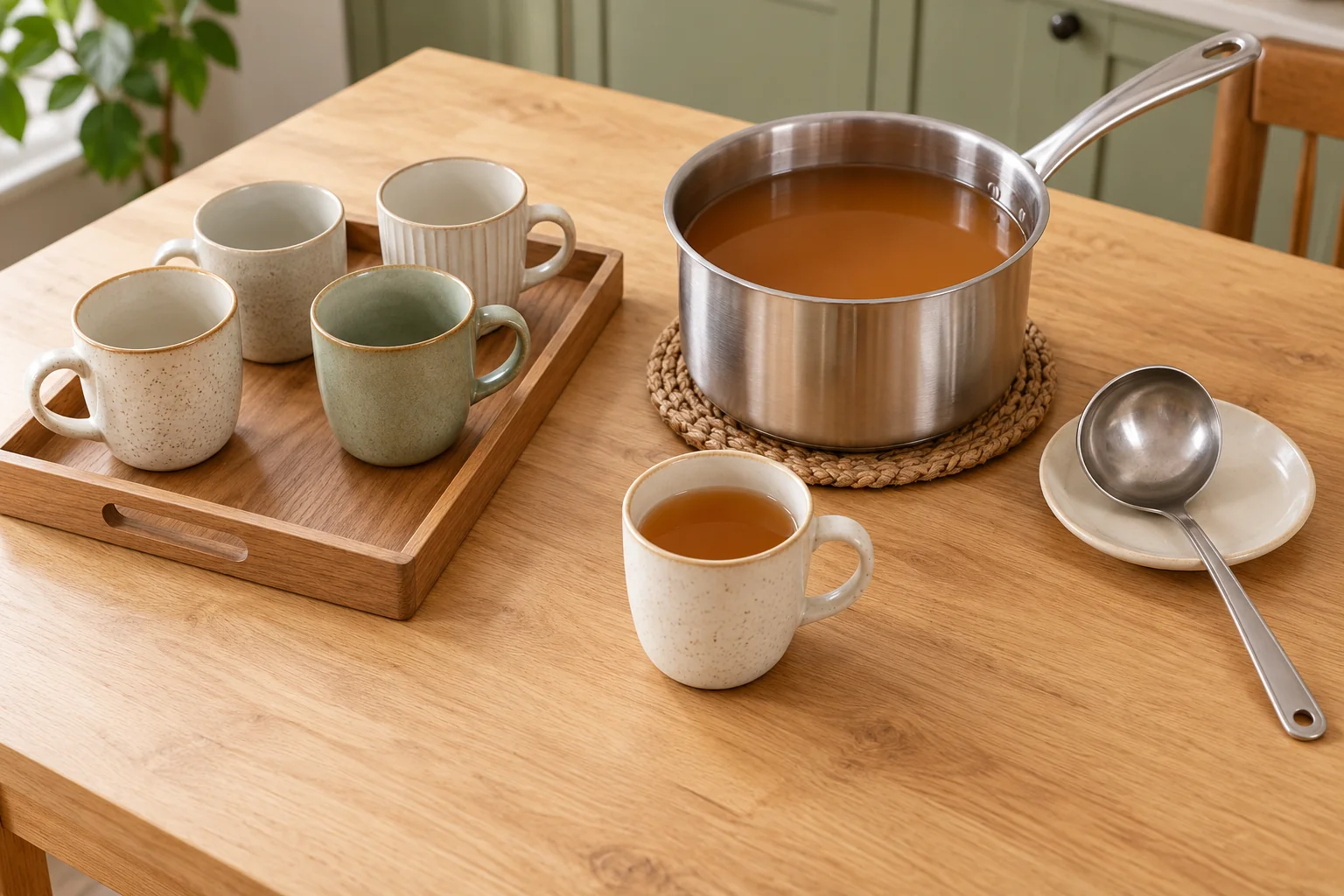
- Heat-safe mugs, a ladle and a saucer for the ladle.
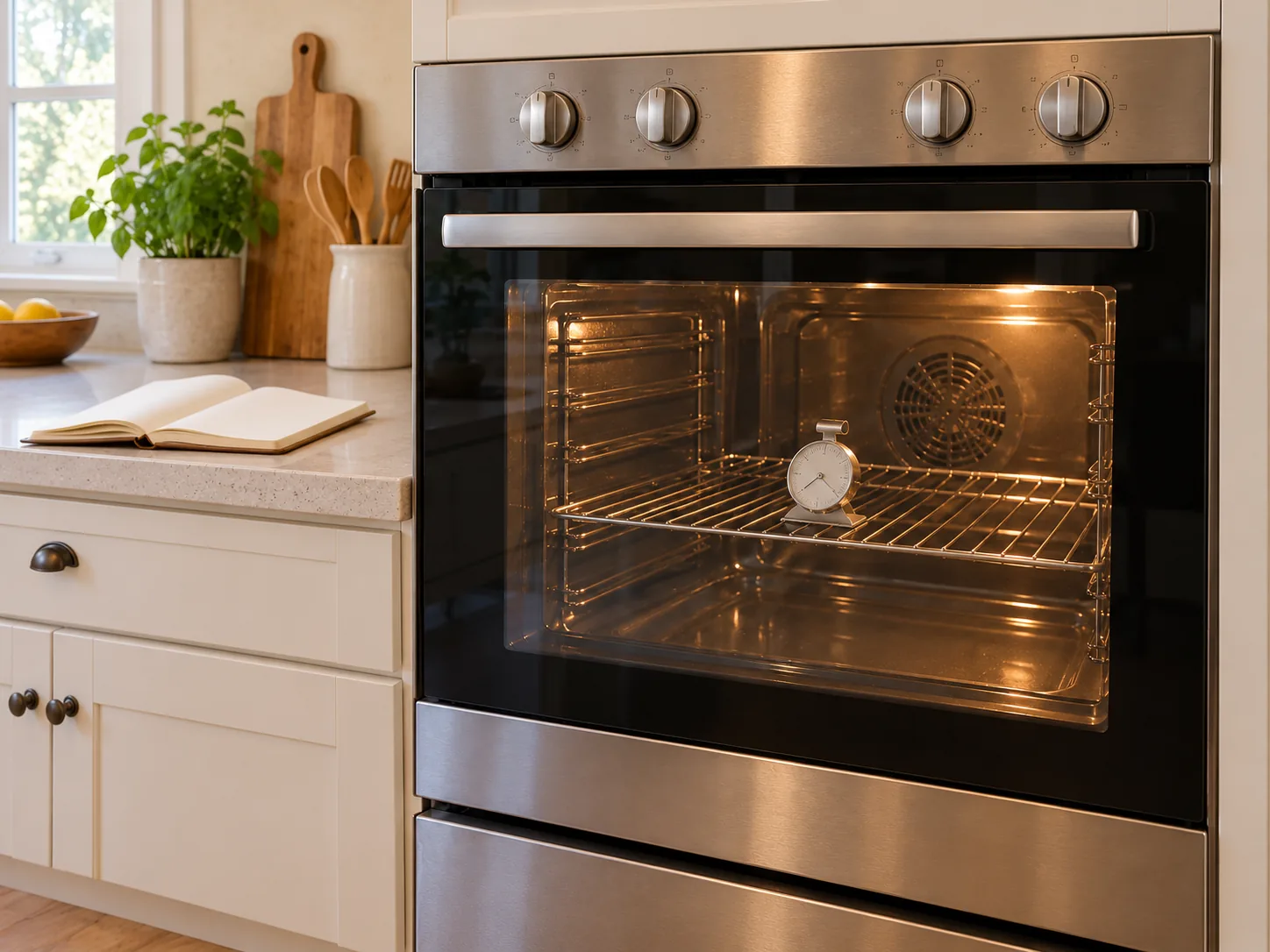
- An instant-read food thermometer, such as the Lavatools Javelin PRO Classic, for checking the cider when holding it hot.
- Water and glasses for anyone who wants a cool drink.
Warm and serve in a small batch
Refrigerate the cider as its label directs until you need it. Pour the amount for the first round into the saucepan and heat gently, stirring occasionally. Follow any heating directions on the product. Attend the pan and handle it with oven mitts when necessary.
Pour the first mugs when guests are ready. If you are keeping a batch hot for continued service, use equipment that maintains at least 140°F and check the liquid with a thermometer; a “warm” setting alone does not establish its temperature. That is a holding temperature, not a comfortable drinking temperature. Let each serving cool before sipping, and have an adult manage children's portions.
If you do not have a reliable hot-holding setup, heat and serve smaller rounds while the remaining cider stays refrigerated. Avoid leaving a pot of lukewarm cider on the counter for the whole afternoon.
Make the table useful
Put the mugs on a tray, leave space to set a filled mug down, and keep the ladle handle easy to reach. Place the hot pan or appliance on a suitable heat-safe surface away from the edge. Keep cords and handles out of the route people will take around the table.
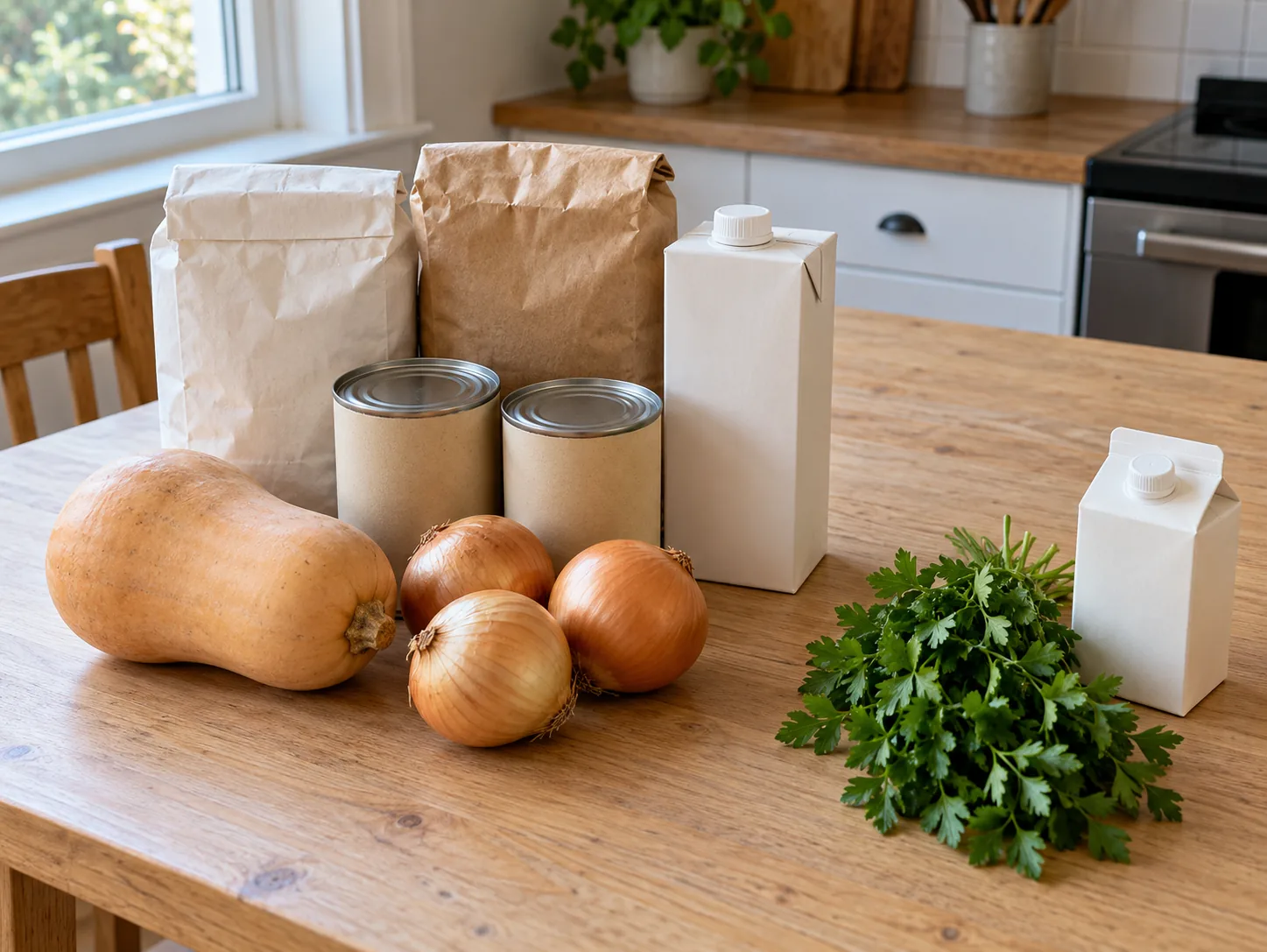
Plain cider needs no garnish. For a little decoration, place a few whole apples beside a handwritten sign; keep them out of the pouring space. An apple-tasting scorecard can turn the same afternoon into a small activity without adding another cooking job.
If dessert is part of the plan, apple crisp with orange and cinnamon gives people something to eat with their mugs. Allow for its baking and resting time before guests arrive.
For the crisp's peeled apples, I recommend the OXO Good Grips Y-Peeler. Prepare the apples according to the recipe, and keep the specified deep baking dish ready before you start the topping.
If a cold drink suits your setup better, the Halloween drink station has a four-glass spritz you can assemble as needed.
Choose plain cider or a measured fruit recipe
Keep the guide's serving calculation separate from the drink recipe you choose. Six 200 ml first pours use 1.2 liters. The linked fruit recipes are each written for four mugs, with 960 ml of liquid ingredients before warming; simmering can change the amount left to pour. Their four-mug yield is not a six-person refill plan.
| Choice | Written plan | Starting liquid | Finishing work |
|---|---|---|---|
| Plain ready-to-drink cider | Six 200 ml first pours | 1.2 liters to serve | Heat a manageable round; keep the remaining cider as its label directs. |
| Spiced apple cranberry punch | Four mugs | 480 ml cider + 480 ml cranberry juice cocktail | Gently infuse for ten minutes, then remove the whole spices as directed. |
| Spiced cherry apple cider | Four mugs | 720 ml cider + 240 ml tart cherry juice | Gently simmer for fifteen minutes, then strain out the spices and orange slices. |
Choose one drink before shopping and open its complete ingredient list. Plain cider needs no recipe additions. The cranberry punch uses cranberry juice cocktail; the cherry version uses tart cherry juice. Those ingredient choices and the different infusions are part of the written methods, so keep them distinct rather than combining both recipes in one pot.
A saucepan recipe is not a continuous hot-holding instruction. Use the heating and serving guidance above to plan attended rounds. If dessert is included, the eight-portion apple crisp has its own preparation, bake and ten-minute rest; plan that longer job separately from warming the drinks.
Sources
Plan the mugs before the garnishes
Compare one mug’s comfortable serving level with the recipe’s measured pour. Leave room to carry the drink and add the intended garnish. A large decorative mug does not need to be filled to the rim, and offering smaller pours can make it easier for guests to judge a comfortable sipping temperature.
Put handles where they can be reached without leaning over the saucepan. Keep children away from the pouring area and assign the hot-liquid work to an adult. The topping station can sit farther down the counter, with a clear place to rest a mug.
Give a helper a specific handover
Write the drink name, the ingredients already added and the next step beside the serving setup. State who will attend the hot drink and how its temperature will be checked under the holding guidance above. A low burner setting is not a measurement, and a decorative pot should not hide the need to monitor the contents.
Before another batch is warmed, clear the used utensils and confirm the remaining measured ingredients. That reset prevents a second cinnamon stick or extra caramel from being added to a pot that was only partly emptied. Keep the next batch distinct rather than repeatedly changing the same saucepan.