Choose a main first, then add only the sides, dessert and drinks you can comfortably prepare. Start with a turkey breast or a squash-and-rice main, use the separate side recipes below, and write each cooking job into your own timetable. The estimates are for individual recipes, not one ready-made schedule.
Use the correct probe position and the cited food-specific cooking minimum.
Compare portions and estimated time
Yields and times are the estimates stated in each recipe. Read its preparation notes for ingredients that need to be cooked, chilled or prepared beforehand.
Thanksgiving choices: individual recipe yields and estimated times
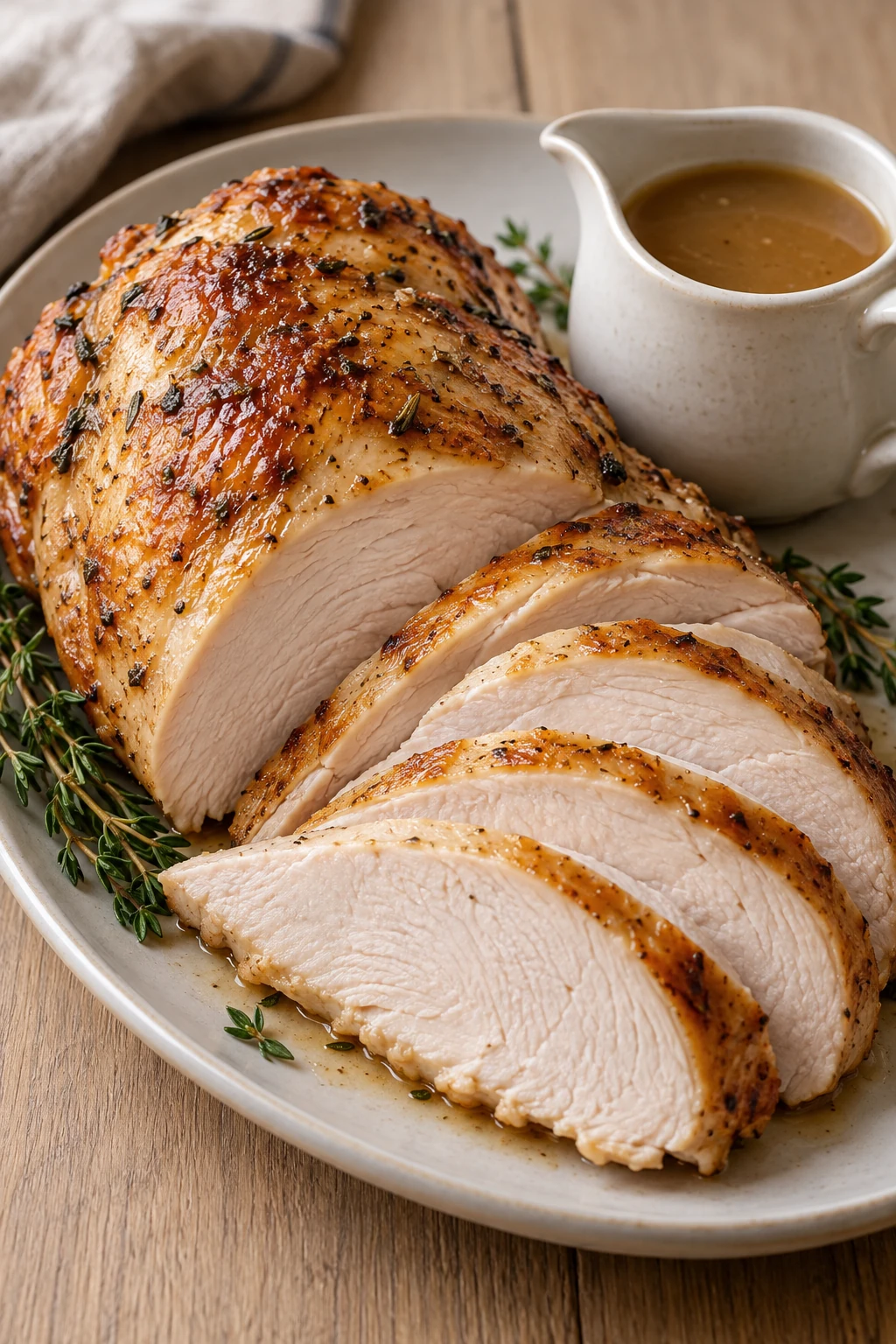
The slow-cooker turkey breast has a long cooking window and its own gravy and serving plan. Check the actual cooker and recipe requirements before choosing it. Moving the main away from the oven does not remove its preparation or temperature checks.
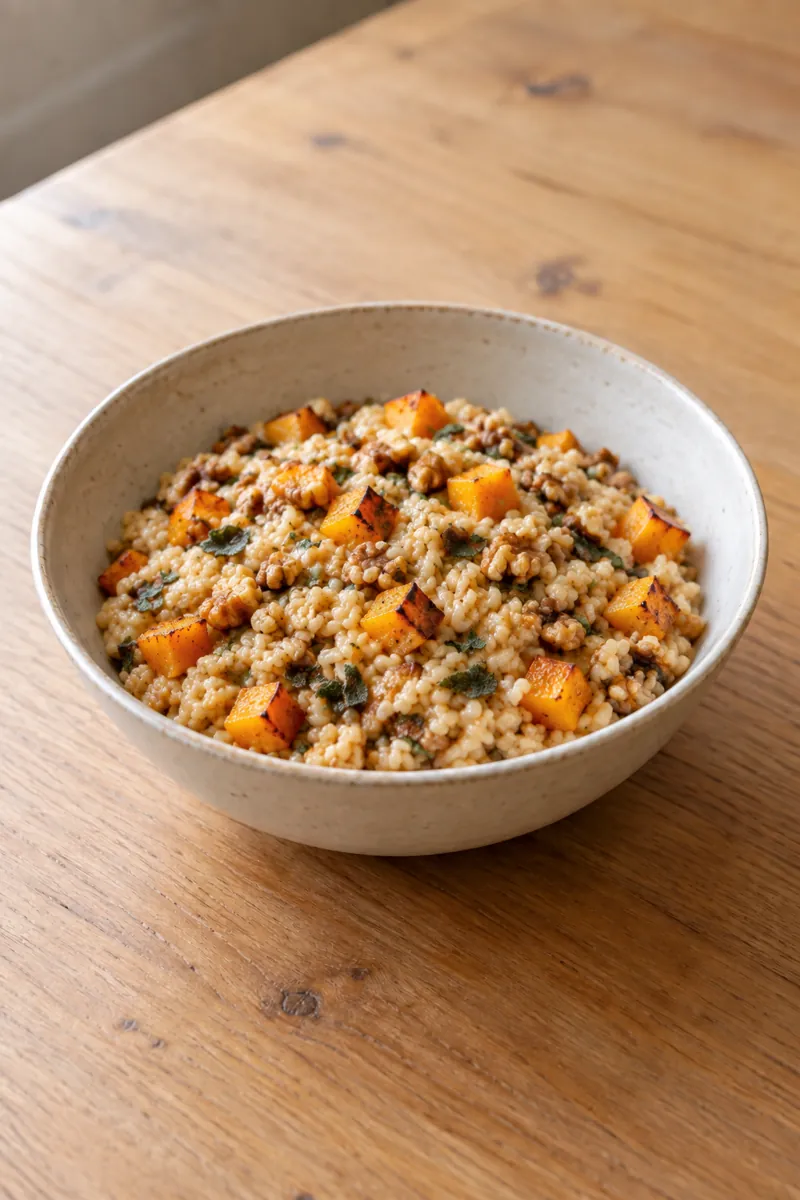
The roasted-squash risotto uses the oven for rice and squash and has a separate walnut-and-sage finish. Its recipe includes vegetarian Parmesan-style cheese and wine added during finishing, so it should not be described as dairy-free or alcohol-free. Choose from the full ingredients rather than a dietary assumption based on its title.
Choose sides by the space left in the kitchen
Honey-thyme carrots use a 425°F oven and are served freshly cooked. Garlic-lemon green beans, rosemary white-bean mash and Parmesan polenta have their own methods and estimates; open those recipes before allocating burners or assuming their pans can share an oven.
Write down each dish’s equipment, active stages and serving work. The timing guide gives a worked vegetarian example, not a turkey schedule. If you choose a different main or add the carrot tray, build a new order from those actual recipes rather than copying the example times unchanged.
Keep dessert and drinks in the same planning list
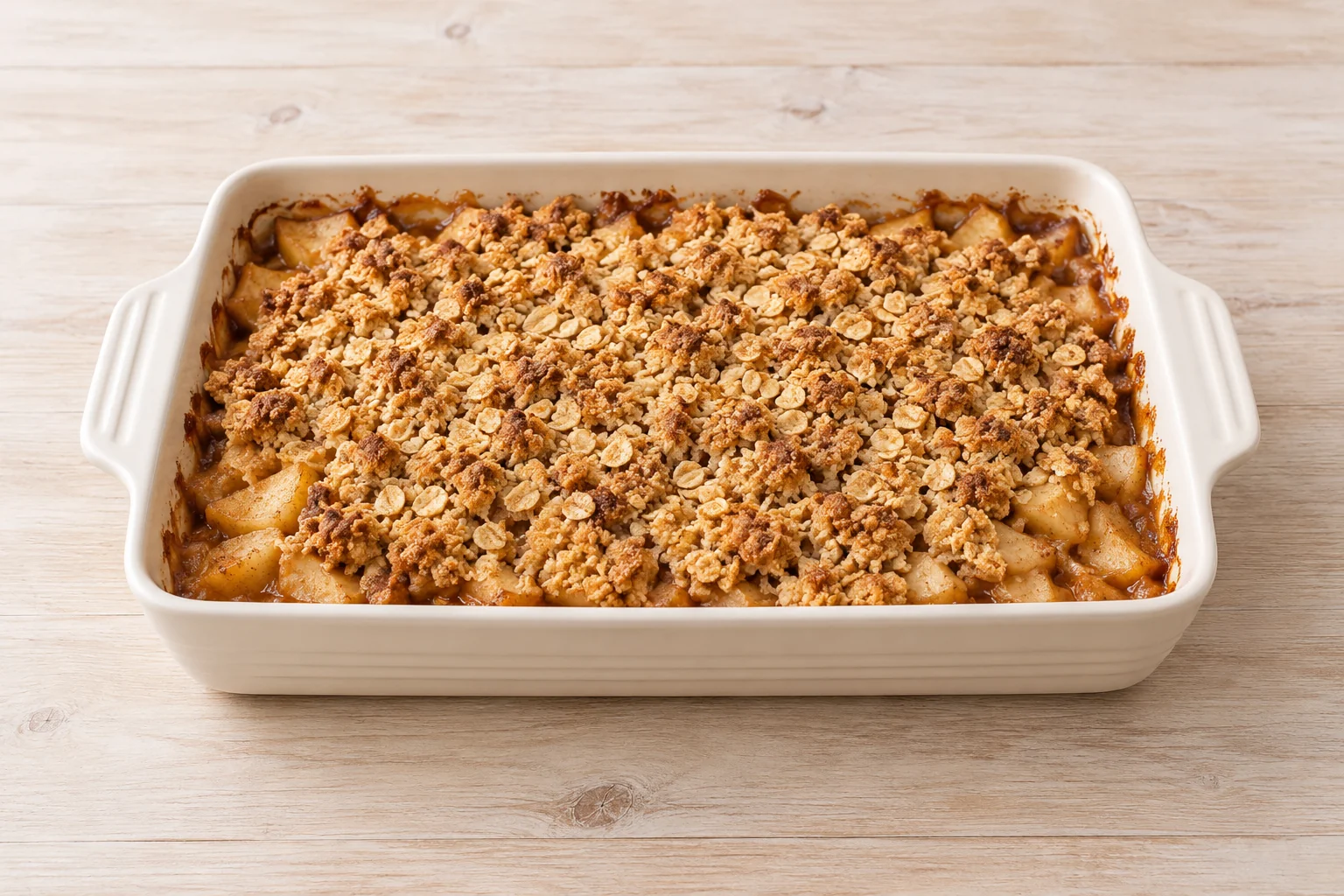
The apple crisp makes eight dessert portions and needs its own oven time. The smaller apple-dessert collection offers three separate recipes for two people. Choose the scale you need before filling another baking dish.
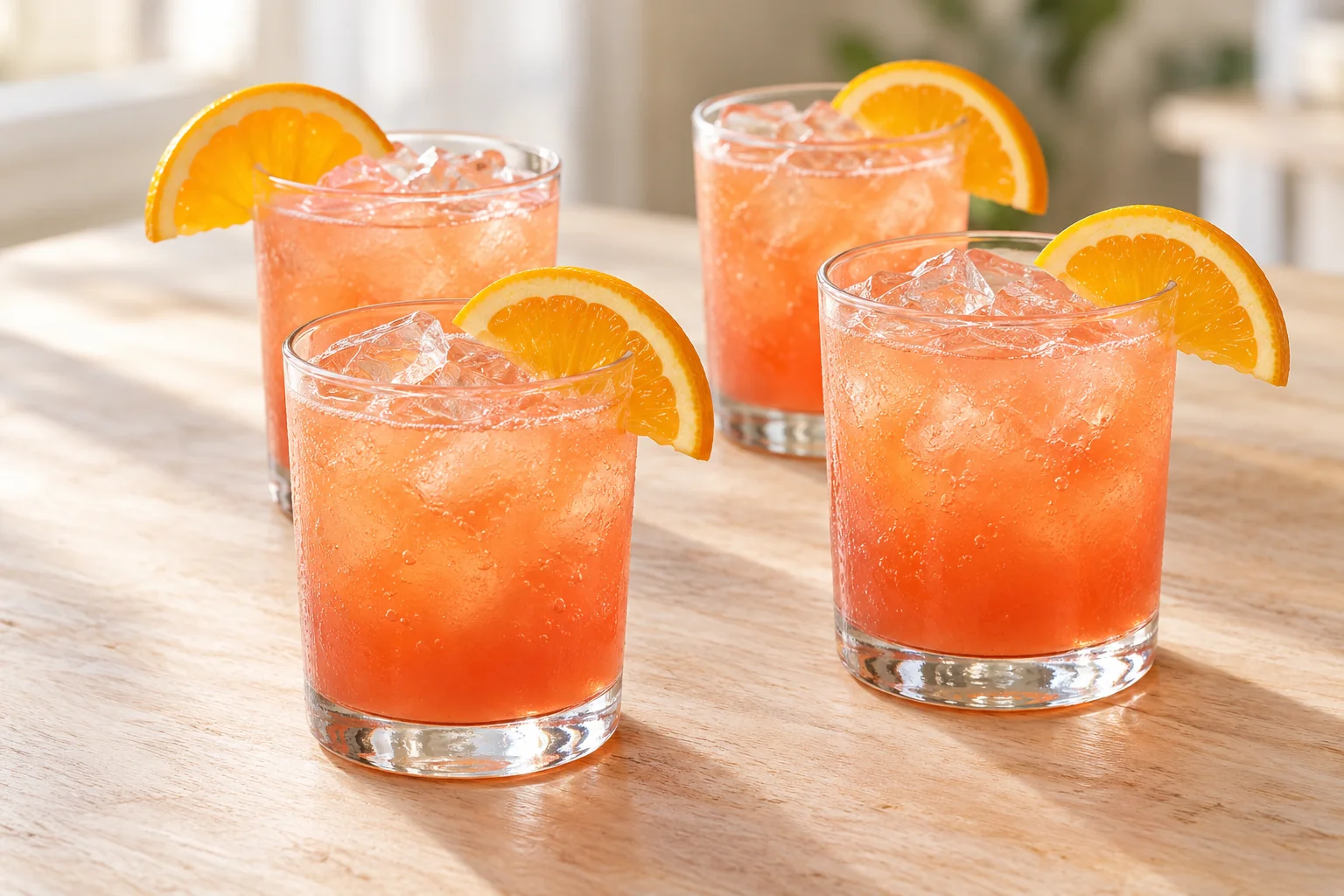
The cranberry spritz is written for four drinks, with the liquid amount specified before ice. Cranberry-and-apple sauce is a separate food recipe, not the drink’s cranberry ingredient. The cranberry guide explains why fresh, frozen, dried and juice products do different jobs. Keep the chosen recipe and package labels beside the shopping list.
The Fondfolk letter
Join the fun Subscribe now!
Recipes, practical cooking tips and a little inspiration for your table.